
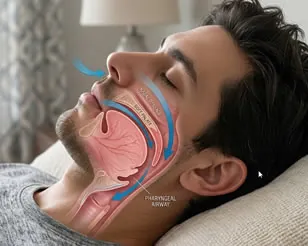
If you wake up as tired as when you went to bed, you may suffer from sleep apnea. Characterized by short lapses in breathing, sleep apnea affects an estimated 12 million Americans. Although sleep apnea can seem like just a mild annoyance, this condition has been linked with other health concerns high blood pressure, heart disease, memory problems, and daytime drowsiness.
Defining Sleep Apnea
Sleep apnea is a sleep disorder in which the patient experiences shallow breathing or pauses in breathing during sleep. These pauses can occur several times during sleep, leading to health complications and lifestyle hindrances.
Because sleep apnea can impact other areas of your life, it’s important to take any symptoms seriously. If you suspect sleep apnea, talk to your dentist or physician about having a complete exam. Often, your doctor will recommend a sleep study to help confirm sleep apnea. Common symptoms of sleep apnea can include:
- Abnormal sleep patterns
- Choking during sleep
- Daytime sleepiness
- Difficulty with concentration
- Dry mouth or sore throat in the morning
- Erectile dysfunction
- Falling asleep at inappropriate times
- Frequent pauses during sleep due to breaks in breathing
- High blood pressure
- Irritability
- Loud snoring
- Sudden awakenings to restart breathing
- Waking up in a sweat
Transcript
The four types of sleep apnea are:
- Obstructive sleep apnea – The most common form of this disorder, obstructive sleep apnea (OSA) occurs when a patient’s throat closes as the individual inhales during sleep and the patient can not suck air into their lungs. Since muscles relax during sleep, the soft tissue of the pharynx relaxes and expands, obstructing air flow in the upper respiratory tract. This obstruction reduces the amount of oxygen in the blood and forces the patient to wake up and take a deep breath. Men from age 30 to 50 are the main group affected by OSA. Often, people will experience mild OSA at some point in time in their lives; however, chronic or severe OSA requires medical attention.
- Central sleep apnea – Central sleep apnea, or Cheyne-Stokes respiration, is a relatively rare form of sleep apnea that occurs when the region of the brain responsible for controlling the breathing muscles temporarily fails. Central sleep apnea differs from OSA in that the patient’s pauses in breathing are due to a lack of effort to breathe.
- Mixed apnea – Mixed apnea is a combination of OSA and central sleep apnea. Chronic OSA can sometimes cause central sleep apnea. Although the exact cause is still unknown, weight-related, cardiovascular, and respiratory conditions can contribute to mixed sleep apnea.
- Complex sleep apnea – Complex sleep apnea is a form of mixed sleep apnea. With this unusual condition, a patient still experiences sleep apnea even when the physical obstruction to breathing is removed.
Factors that Influence Sleep Apnea
Obstructive sleep apnea is caused when soft tissue in the airway relaxes. Usually, OSA occurs because of changes in muscle tone, increase in the soft tissue due to obesity, and structure issues with the skull and face. Obese people are at a great risk for OSA because they carry more muscle and tissue mass. Over 50 percent of those who have Down’s syndrome suffer from OSA, brought on by poor muscle tone, narrow nasopharynx, and a large tongue. Nasal congestion and alcohol consumption can also contribute to OSA. Enlarged tonsils and adenoids are the most common causes of obstructive sleep apnea in children. Obstructive sleep apnea can also occur as a part of the natural ageing process when the brain’s capacity to transmit instructions telling the throat muscles to maintain rigidity decreases.
Central sleep apnea often accompanies a medical condition and is rarely found in healthy individuals. Since the brainstem controls breathing, any medical condition involving that part of the brain can cause central sleep apnea. Cardiovascular conditions, neurodegenerative conditions such as Parkinson’s disease, advanced arthritis, and encephalitis are some medical conditions that can trigger central sleep apnea.
The Importance of Treatment
Complications from sleep apnea can include inattentiveness at work, tiredness, risk of accidents, mood swings, high blood pressure and erectile dysfunction. Sleep apnea can also increase the risk of congestive heart failure and stroke. It can lead to difficulty in the treatment processes for conditions such as arterial fibrillation. Children affected by sleep apnea can be hyperactive, high strung, aggressive, and prone to bed wetting. They may have also unusual sleeping positions. Overall, a person suffering from sleep apnea experiences deterioration in the quality of life.
Diagnosing Sleep Apnea
To look for sleep apnea, a dentist or physician can recommend diagnostic testing, particularly if the patient is suffering from conditions such as high blood pressure, heart failure, and epilepsy. Physical examination for adults includes measuring for a wide neck, looking for enlarged tonsils, and assessing upper body obesity. In evaluating children, doctors check for enlarged adenoids and determine if the child has attention deficit issues.
Doctors use the patient’s medical and sleep history in diagnosing sleep apnea. Symptoms such as drowsiness, headaches, heartburn, and patient medications can influence the diagnosis. A sleep study, where the patient is monitored in a sleep lab, can also help determine an individual has sleep apnea. When testing rules out sleep apnea, then the patient must be evaluated for other potential sleep disorders.
Treating Sleep Apnea
After a diagnosis of sleep apnea, your doctor will review treatment surgical and non-surgical options. Non-surgical treatments include medications, behavioral changes, dental appliances, and use of a Continuous Positive Airway Pressure (CPAP).
- Medication – Nasal steroid sprays may effectively control sleep apnea caused by nasal airway obstruction. Hypothyroidism treatment helps manage sleep apnea caused by the thyroid condition.
- Behavioral changes – In many cases, lifestyle and behavior changes are often the only treatment required to treat sleep apnea, particularly the milder cases. Exercising to reduce weight and avoiding sleep positions that lead to increased snoring have been shown as effective treatments.
- Dental appliances – Mild to moderate sleep apnea can be controlled by using dental appliances that hold the palate up and keep the airway free. Any dental appliance should be custom fit by a dentist so that it works properly. Continuous positive airway pressure (CPAP) machines use air pressure to ensure that the soft palate does not sag during sleep. The pressurized air is delivered to the patient through a face mask. As the person breathes, gentle air pressure keeps the air passage open and prevents sleep apnea.